Why China's Military AI Should Be Treated as a Spur, Not Just a Threat
🕒 Published on AI Momentum: June 30, 2026 · 03:40
A CNAS report warns that Chinese AI could counter U.S. military operations. The real takeaway isn't fear — it's that competitive pressure tends to accelerate the technology, and the long game is decided by who builds the safer, more capable systems.
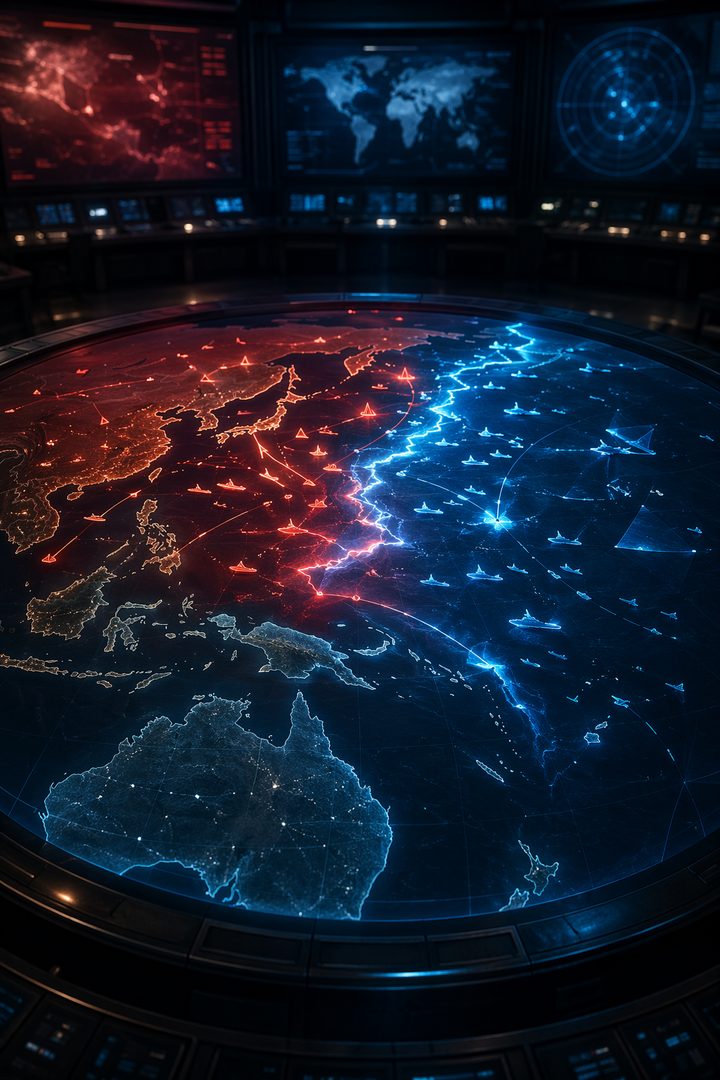
According to a report cited by CNAS, Chinese AI capabilities could be developed to counter U.S. military operations. That is the claim on the table, and it should be attributed to the report rather than taken as settled fact: it reflects an analytical warning, not a confirmed operational reality.
The context matters. Military AI has become one of the clearest arenas of great-power competition, where every advance by one side is read as a signal by the other. Reports like this one function as much as policy levers — meant to shape budgets and priorities — as they do as neutral assessments. Reading them critically is part of the job.
The near-term impact is a familiar dynamic: a security dilemma in which mutual suspicion drives faster, less deliberate deployment. That is the genuine short-term risk — not that any single system 'wins,' but that the race compresses the time available for testing, oversight and norms. This is the transition phase, and it will be messy.
Our reading: competitive pressure is a double-edged catalyst. It accelerates capability, but it also concentrates minds on reliability, verification and arms-control frameworks that purely commercial incentives tend to neglect. Over the long run, the technologies forged under this scrutiny — autonomous reasoning, sensor fusion, robust decision systems — are the same ones that, redirected, expand human capability and abundance. The task for this decade is to channel the rivalry toward systems that are safe and accountable, so the competition leaves us with tools worth keeping rather than a hair-trigger we regret. Cautious optimism here means refusing both the panic and the triumphalism.